
Cold brew has a way of changing your morning routine.
Instead of waiting for a hot coffee maker, pouring coffee over ice, and watching it become watered down, cold brew takes a slower approach. Coarsely ground coffee is steeped in cold or room-temperature water, creating a smooth, chilled drink that you can keep ready in the refrigerator.
The catch? The cold brew coffee maker you choose can make the process much easier—or much more frustrating.
Some brewers are simple pitchers with removable filters. Others are designed to make concentrated coffee for several days. There are also slow-drip systems for coffee enthusiasts, portable bottles for commuters, and electric machines designed for people who don’t want to wait overnight.
This guide breaks down the major cold brew coffee maker types, explains what matters when choosing one, and highlights popular options for different needs and budgets.
Affiliate Disclosure: Kitchen Vault Pro participates in the Amazon Associates Program and may earn from qualifying purchases made through links on this page.
What Is Cold Brew Coffee?
Cold brew coffee is made by steeping coarsely ground coffee in cold or room-temperature water for an extended period, commonly around 12 to 24 hours for immersion-style brewing.
Unlike traditional iced coffee, the coffee isn’t brewed hot and then chilled.
That difference changes the brewing process and the resulting flavor. Cold brew is often described as smoother, mellow, and less sharp than many hot-brewed coffees, although the final taste depends on the coffee beans, grind size, water, brewing ratio, and steeping time.
A good cold brew coffee maker simply makes this process easier, cleaner, and more repeatable.
Cold Brew vs. Iced Coffee
The two drinks are easy to confuse, but they’re made differently.
Cold brew is extracted with cold or room-temperature water over a longer period.
Iced coffee is normally brewed hot and then cooled or poured over ice.
Because the brewing methods differ, the flavor can differ too. Iced coffee often has brighter, more traditional brewed-coffee characteristics, while cold brew is commonly smoother and more mellow.
Neither method is automatically better. The right choice depends on the flavor and brewing routine you prefer.
Types of Cold Brew Coffee Makers
Before choosing a brewer, decide which brewing method fits your routine.
The best cold brew coffee maker for someone who wants simple overnight coffee may be completely different from the best option for a coffee enthusiast who enjoys experimenting with extraction.
1. Immersion Cold Brew Makers
Immersion Cold Brew Makers brewing is one of the simplest ways to make cold brew.
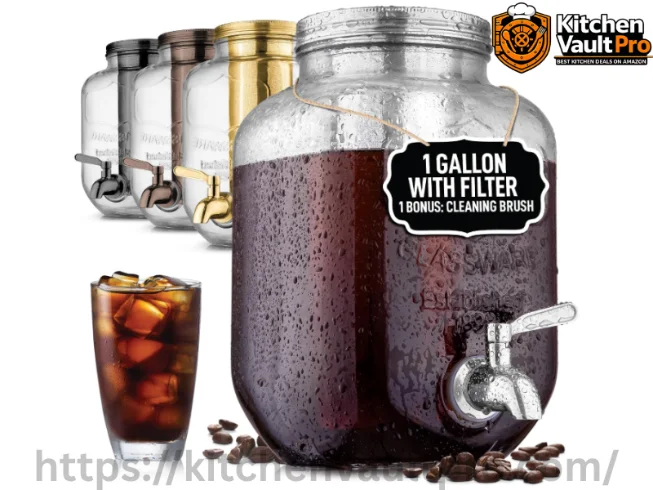
Coffee grounds sit inside a filter or mesh basket while they are fully submerged in cold water. The brewer is usually placed in the refrigerator for several hours. Once brewing is finished, you remove the filter and the coffee is ready to serve.
This approach is popular because there is very little equipment to manage.
You can prepare the coffee at night, put it in the refrigerator, and have cold brew ready the next day.
Best for:
- Beginners
- Everyday cold brew drinkers
- Simple overnight brewing
- Refrigerator storage
- Low-maintenance preparation
Typical brewing time: Around 12–24 hours, depending on the recipe and brewer.
Popular examples include:
- Takeya Patented Deluxe Cold Brew Maker
- OXO Good Grips Cold Brew Coffee Maker
- Toddy Cold Brew System
- KitchenAid Cold Brew Coffee Maker
Check the latest Amazon price — Takeya Cold Brew Maker →
2. Slow-Drip Cold Brew Makers
Slow-drip Cold Brew Makers systems use a different approach.
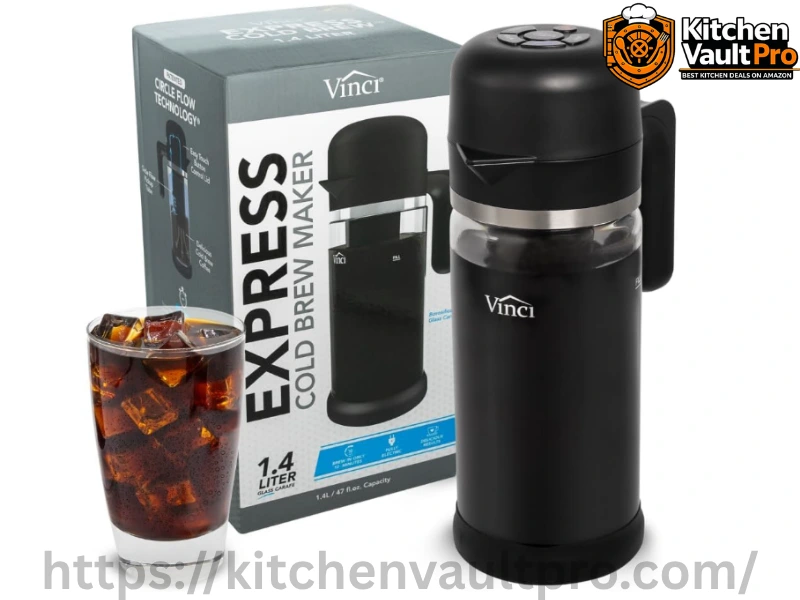
Instead of completely submerging the coffee grounds, water gradually drips through the coffee bed and collects in a container underneath.
This method is sometimes associated with Kyoto-style or Japanese-style cold drip brewing.
Slow-drip brewing can appeal to coffee enthusiasts who enjoy experimenting with extraction and presentation. It also creates an attractive setup for a home coffee station.
Best for:
- Coffee enthusiasts
- Specialty coffee experimentation
- More hands-on brewing
- Countertop presentation
Typical brewing time: Several hours, depending on the system and drip rate.
Popular names in this category include Hario and Yama-style cold-drip systems.
Check the latest Amazon price — VINCI Express
3. Electric and Automatic Cold Brew Makers
Electric cold brew machines are designed for convenience.
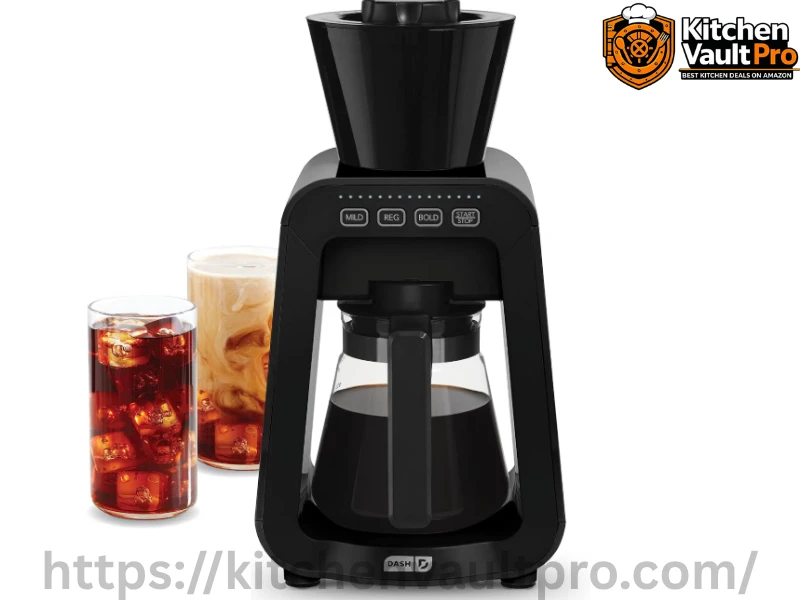
Rather than relying entirely on a long traditional steep, some electric systems use circulation, agitation, pressure, or other extraction techniques to shorten the process.
The major advantage is obvious: you can potentially make cold brew much faster than with a traditional overnight method.
The trade-off is that electric machines are more complicated than a simple pitcher and usually cost more.
Best for:
- Busy households
- Same-day cold brew
- People who forget to prepare coffee overnight
- Buyers who prioritize convenience
Popular examples include the VINCI Express Electric Cold Brewer and Cuisinart Automatic Cold Brew Coffee Maker.
Check the latest Amazon price — VINCI Express →
4. Mason Jar Cold Brew Systems
A Mason Jar Cold Brew can be an extremely simple starting point for cold brew.
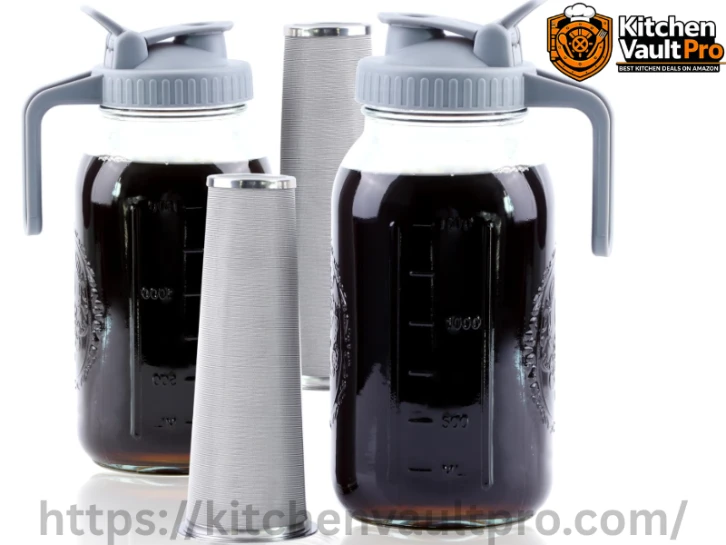
Many dedicated mason-jar systems combine a wide-mouth jar with a reusable mesh filter. Coffee grounds go into the filter, water is added, and the entire setup can be refrigerated during brewing.
The main advantage is affordability.
You don’t necessarily need an expensive appliance to make enjoyable cold brew. Brewing fundamentals—such as grind size, coffee-to-water ratio, and steeping time—still matter.
Best for:
- Budget buyers
- Beginners
- Small kitchens
- DIY-style coffee preparation
Popular options include County Line Kitchen cold brew systems and other mason-jar filter kits.
Check the latest Amazon price — County Line Kitchen →
5. Cold Brew Concentrate Systems
Cold Brew Concentrate systems are designed for people who want to make a stronger brew and dilute it when serving.
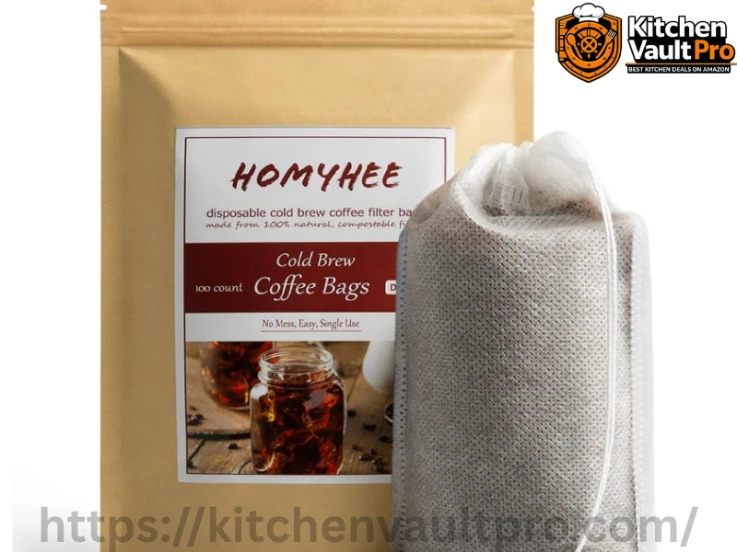
This can be particularly convenient for households that drink cold brew regularly.
Instead of preparing a small ready-to-drink batch every day, you can make a larger amount of concentrate and adjust the strength when you pour a glass.
The exact dilution ratio depends on the recipe and system, so follow the manufacturer’s instructions or your preferred brewing recipe.
Best for:
- Frequent cold brew drinkers
- Larger households
- Meal prep
- Flexible serving strength
The Toddy Cold Brew System is one of the best-known examples in this category.
Check the latest Amazon price — Toddy Cold Brew System →
6. Portable Cold Brew Makers
Portable cold brew makers combine brewing and storage in a compact container.
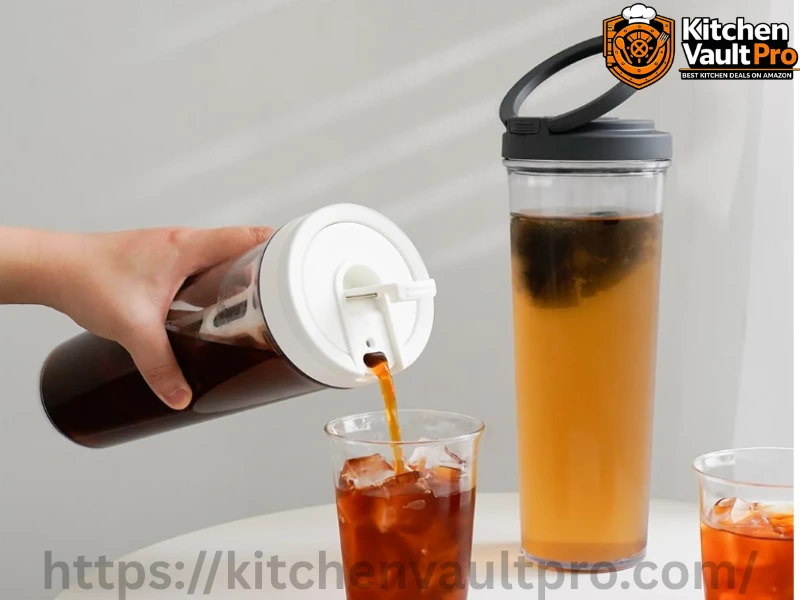
They can be useful for commuters, travelers, students, or anyone who wants a smaller refrigerator footprint.
Look for a secure lid, durable construction, a practical filter, and a size that fits your daily routine.
Popular options include Takeya and Hario cold brew bottles.
Best for:
- Commuters
- Travelers
- Small refrigerators
- Individual servings
Check the latest Amazon price — Hario Cold Brew Option →
7. Nitro Cold Brew Systems
Nitro cold brew takes prepared cold brew and infuses it with nitrogen to create a smooth texture and distinctive cascading appearance.
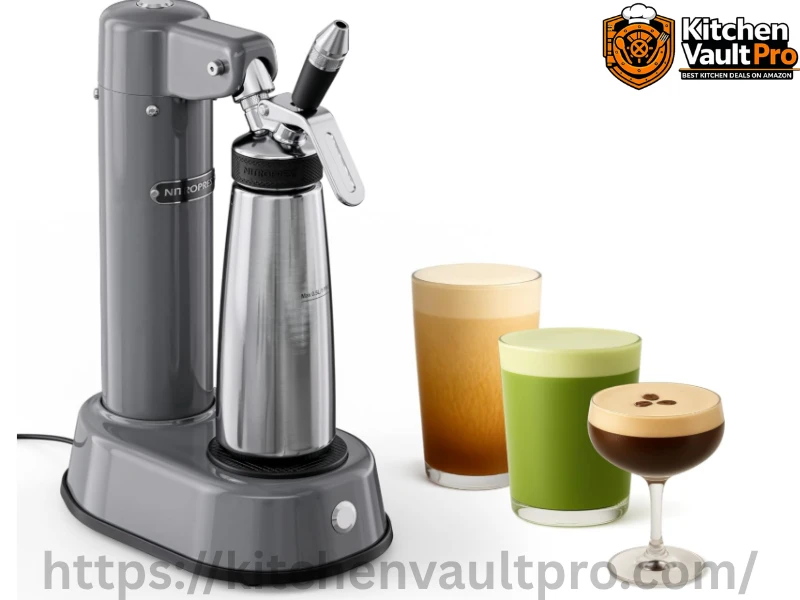
These systems are aimed at people who want a coffee-shop-style presentation at home.
Keep in mind that nitro equipment can require additional cartridges or accessories, so consider the ongoing cost as well as the initial purchase price.
Best for:
- Home coffee enthusiasts
- Nitro coffee fans
- Premium coffee setups
- Entertaining guests
Popular options include NitroPress and GrowlerWerks-style systems.
Check the latest Amazon price — Nitro Cold Brew System →
Best Cold Brew Coffee Makers of 2026
There isn’t one perfect brewer for everyone.
The best choice depends on how much coffee you make, how much time you have, whether you want to concentrate, and how important portability or convenience is to you.
The following recommendations are organized by use case rather than claiming that one machine is universally the best.
Best Overall: OXO Good Grips Cold Brew Coffee Maker
The OXO Good Grips Cold Brew Coffee Maker is a strong choice for people who want a dedicated brewer with a thoughtful design.
Its Rainmaker-style top is designed to distribute water over the coffee grounds, while the brewing container and draining system are built around making the process easier and less messy.
The main appeal is convenience. You can prepare your coffee, let it brew, and then drain it when you’re ready.
Best for: Buyers who want an easy, dedicated cold brew setup.
Why consider it:
- Straightforward immersion-style brewing
- Designed for convenient draining
- Reusable filter system
- Good option for regular home use
- Established kitchen-appliance brand
Potential drawback: It takes more refrigerator space than a small individual bottle.
Check the latest Amazon price for OXO →
Best Portable: Takeya Patented Deluxe Cold Brew Maker
The Takeya Patented Deluxe Cold Brew Maker is a practical choice when refrigerator space and portability matter.
Its slim pitcher-style design is easy to store, while the integrated filter keeps the brewing process simple.
It’s particularly appealing for people who want to prepare cold brew at home and keep it ready for work, school, or daily use.
Best for: Beginners, commuters, and everyday cold brew drinkers.
Why consider it:
- Compact design
- Simple brewing process
- Built-in filter
- Easy refrigerator storage
- Suitable for regular home use
Check the latest Amazon price for Takeya →
Best Premium Option: Asobu Insulated Portable Brewer
The Asobu Insulated Portable Brewer is worth considering if insulation and portability are important to you.
The insulated construction gives it a different advantage from basic glass or plastic pitchers: it can be easier to transport and keep chilled.
Best for: Buyers who want a portable brewer with insulated storage.
Why consider it:
- Insulated design
- Portable format
- Dedicated cold brew filter
- Useful for home and on-the-go routines
Potential drawback: Premium materials and portability can increase the price compared with basic cold brew pitchers.
Check the latest Amazon price for Asobu →
Best Budget Option: County Line Kitchen Cold Brew Mason Jar
If you’re trying cold brew for the first time, you don’t necessarily need a premium brewer.
A mason-jar cold brew system can provide the basic brewing setup at a lower cost.
County Line Kitchen’s cold brew system is designed around a wide-mouth jar and reusable filter, making it a practical choice for people who want a simple setup.
Best for: Budget-conscious buyers and first-time cold brew drinkers.
Why consider it:
- Simple design
- Affordable entry point
- Reusable filter
- Large-batch potential
- Easy to understand
Check the latest Amazon price for County Line Kitchen →
Best for Large Batches: Toddy Cold Brew System
The Toddy Cold Brew System is designed around concentrate-style brewing, making it particularly useful for people who drink cold brew frequently.
Instead of preparing a single glass at a time, you can make a batch of concentrate and dilute it when serving.
Best for: Heavy cold brew drinkers and households that want larger batches.
Why consider it:
- Concentrate-style brewing
- Suitable for batch preparation
- Flexible serving strength
- Long-established cold brew system
Potential drawback: The process is less compact than a simple single-serving bottle, and some components require more attention during cleanup.
Check the latest Amazon price for Toddy →
Best for Speed: VINCI Express Electric Cold Brewer
Traditional cold brew takes planning.
The VINCI Express is aimed at people who want a faster alternative.
Its electric design is intended to shorten the brewing process compared with traditional overnight immersion.
Best for: Busy users who prioritize speed and convenience.
Why consider it:
- Faster brewing approach
- Electric operation
- Designed for convenience
- Useful when you don’t want to prepare coffee the night before
Potential drawback: Electric equipment costs more and may not appeal to people who enjoy traditional slow brewing.
Check the latest Amazon price for VINCI →
Cold Brew Coffee Maker Buying Guide
Choosing the right brewer becomes much easier when you focus on the factors that actually affect your routine.
Brewing Method
Start with the brewing method.
If you want simple overnight coffee, choose an immersion brewer.
If you enjoy experimenting with extraction, consider a slow-drip system.
If speed matters most, an electric brewer may make more sense.
If you drink large amounts of cold brew throughout the week, consider a concentrate system.
Capacity
Think about how much cold brew you realistically drink.
A single person may be perfectly happy with a smaller 16- to 32-ounce brewer.
Two people may prefer something closer to 32–48 ounces.
For families or heavy drinkers, a larger pitcher or concentrate system can reduce how frequently you need to brew.
Don’t automatically choose the biggest model. A larger brewer also takes more refrigerator space.
Coffee Grind Size
Grind size is one of the most important variables in cold brew.
A coarse coffee grind is generally the safest starting point for immersion brewing.
Fine grounds can make filtration more difficult and may contribute to an overly strong or bitter result during a long extraction.
If you grind your own coffee, use a coarse setting and adjust from there based on taste.
Coffee-to-Water Ratio
There isn’t one universal ratio for every cold brew recipe.
A practical starting point for ready-to-drink immersion cold brew is around 1 part coffee to 4 parts water by volume, while concentrate recipes often use a higher coffee concentration.
Use the manufacturer’s recipe when one is provided, then adjust the ratio based on your preferred strength.
Filter Quality
The filter determines how much sediment ends up in your finished drink.
Fine stainless-steel mesh filters are convenient because they are reusable.
Paper or fabric filtration can produce a cleaner cup but may involve replacement costs.
When choosing a brewer, also consider how easy the filter is to remove and rinse.
Material: Glass, Plastic, or Stainless Steel
Each material has advantages.
| Material | Advantages | Things to Consider |
| Glass | Easy to see, neutral presentation | Heavier and breakable |
| BPA-free plastic | Lightweight and durable | May stain over time |
| Stainless steel | Durable and useful for insulation | You cannot see the coffee level |
For refrigerator brewing, glass and quality BPA-free plastic can both be practical.
For travel or insulation, stainless steel may be more appealing.
Ease of Cleaning
A brewer that produces great coffee but is annoying to clean may eventually stop getting used.
Look for:
- Removable filters
- Wide openings
- Dishwasher-safe parts where applicable
- Simple lids
- Few difficult-to-reach areas
Always follow the manufacturer’s cleaning instructions.
Refrigerator Fit
Before buying a cold brew coffee maker, measure the shelf or door compartment where you plan to store it.
Tall slow-drip systems can require substantially more space than compact pitchers.
This small detail can make a big difference in everyday convenience.
Common Cold Brew Mistakes
Using Too Fine a Grind
Fine grounds can make filtration harder and may lead to over-extraction.
Start with coarse grounds and adjust gradually.
Using the Wrong Coffee-to-Water Ratio
If your cold brew tastes weak, don’t immediately assume you need a new brewer.
Try adjusting the amount of coffee or water first.
Steeping for Too Little Time
Cold extraction takes longer than hot brewing.
If your immersion cold brew tastes thin, the coffee may simply need more extraction time.
Steeping for Too Long
Longer isn’t always better.
If a batch becomes harsh or unpleasant, experiment with a shorter steep time rather than automatically increasing coffee strength.
Forgetting to Clean the Filter
Coffee residue can build up on reusable filters.
Rinse the filter thoroughly after each use and follow the manufacturer’s deeper-cleaning recommendations.
Ignoring Storage
Store finished cold brew in a clean, covered container and keep it refrigerated.
For food-safety and quality questions, follow your brewer’s instructions and use your judgment based on freshness, smell, appearance, and storage conditions.
Cold Brew vs. Iced Coffee vs. Cold Drip
| Feature | Cold Brew | Iced Coffee | Cold Drip |
| Brewing method | Cold-water steeping | Hot brewing over/with ice | Slow water dripping |
| Typical process | Long extraction | Fast extraction | Controlled drip |
| Flavor | Smooth and mellow | Brighter and more traditional | Often nuanced and aromatic |
| Equipment | Pitcher/filter | Standard coffee maker | Drip brewer/tower |
| Convenience | High once prepared | Very high | More hands-on |
| Best for | Everyday cold coffee | Quick chilled coffee | Coffee enthusiasts |
The key difference is simple:
Cold brew is steeped. Iced coffee is hot brewed and chilled. Cold drip uses a controlled stream of cold water.
How to Make Cold Brew Coffee at Home
You don’t need an expensive machine to start making cold brew.
Step 1: Choose Your Coffee
Pick beans with flavors you enjoy.
Chocolate, caramel, nutty, and balanced profiles can work particularly well for smooth cold brew, but there is no rule that says you cannot use a lighter roast.
Step 2: Grind the Coffee
Use a coarse grind.
If you’re buying pre-ground coffee, look for a grind intended for cold brew or French press.
Step 3: Add Coffee and Water
Start with a simple recipe such as approximately 1 part coffee to 4 parts water for ready-to-drink immersion cold brew.
Make sure the grounds are thoroughly saturated.
Step 4: Steep
Place the brewer in the refrigerator and let the coffee steep according to your recipe and brewer instructions.
For many immersion recipes, this is around 12–24 hours.
Step 5: Filter
Remove the filter or strain the coffee carefully.
If you’re making concentrate, follow the recommended dilution instructions before serving.
Step 6: Taste and Adjust
Taste your first batch before changing everything.
If it is too strong, dilute it.
If it is too weak, adjust your coffee-to-water ratio or extraction time on the next batch.
Step 7: Store Properly
Keep finished cold brew refrigerated in a clean, covered container.
Use it while it remains fresh and follow the storage guidance for your specific recipe and brewer.
How Long Does Cold Brew Last?
Storage life depends on how the coffee was prepared, filtered, stored, and handled.
Rather than relying on one universal number, keep cold brew refrigerated in a clean, sealed container and use it while it still tastes and smells fresh.
If you notice an unusual smell, appearance, or flavor, discard it.
For homemade beverages, proper refrigeration and clean equipment are more important than trying to maximize storage time.
Frequently Asked Questions
What is the best cold brew coffee maker in 2026?
OXO, Takeya, and Toddy are strong choices, depending on your brewing style, capacity, and budget.
What is the best coffee maker for making cold brew?
A dedicated immersion cold brew maker is usually the simplest choice for consistent homemade cold brew.
What is the best coffee machine in 2026?
The best coffee machine depends on your preferred brewing method, budget, capacity, and daily coffee routine.
What is the best coffee brand to make cold brew?
Choose quality beans you enjoy; medium and dark roasts are popular for smooth, chocolatey cold brew.
Which coffee machine is best for cold brew?
For traditional cold brew, a dedicated immersion brewer is generally more practical than a standard hot coffee machine.
Best cold brew coffee makers of 2026 review?
The best options vary by use case, with OXO, Takeya, Toddy, and other dedicated brewers offering different strengths.
Best cold brew coffee makers of 2026 price?
Prices vary by model and can change frequently, so check the latest Amazon price before buying.
OXO Compact Cold Brew Coffee Maker?
OXO is a convenient option for home users who want a dedicated cold brew system with straightforward brewing and cleanup.
Ovalware Cold Brew Maker?
Ovalware is worth considering if you want a reusable, compact brewer with a focus on filtration and everyday convenience.
Mueller Cold Brew Coffee Maker?
Mueller offers budget-friendly cold brew options that can suit beginners and everyday home coffee drinkers.
Related Coffee Guides
Continue exploring Kitchen Vault Pro:
- Best Coffee Makers of 2026
- Best Drip Coffee Makers of 2026
- Best Coffee Grinders of 2026
- Cold Brew vs. Iced Coffee
- How to Make Cold Brew Coffee at Home
- Best Kitchen Gadgets of 2026
- Best Blenders of 2026
Internal linking note: Replace each title above with the actual Kitchen Vault Pro URL before publishing. Do not use placeholder or third-party URLs.
How We Research Cold Brew Coffee Makers
Kitchen Vault Pro focuses on practical information that helps readers make better kitchen-product decisions.
For cold brew coffee makers, useful comparison factors include brewing method, capacity, filter design, materials, cleaning requirements, storage, portability, convenience, and intended use.
Product specifications should be checked against current manufacturer information before publication, while current Amazon availability, pricing, and customer ratings can change over time.
Where hands-on testing has not been performed, this guide does not claim that Kitchen Vault Pro personally tested the product.
Final Verdict
The best cold brew coffee maker is the one that fits the way you actually drink coffee.
If you want a straightforward refrigerator setup, an immersion pitcher is a practical starting point. If you enjoy specialty brewing, a slow-drip system can add a more hands-on experience. If you drink cold brew frequently, a concentrate system may save preparation time across the week.
Budget buyers don’t need to spend a fortune, either. A simple mason-jar brewer can teach you the fundamentals before you decide whether you need more features.
For convenience, look for a brewer with a practical filter, easy cleanup, secure storage, and a size that fits your refrigerator.
Most importantly, focus on the fundamentals: good coffee beans, a coarse grind, a sensible coffee-to-water ratio, appropriate extraction time, clean equipment, and proper refrigeration.
Once those basics are right, the right brewer simply makes the process easier.
Ready to compare your options?
Check the latest cold brew coffee maker options on Amazon →
Affiliate Disclosure: As an Amazon Associate, Kitchen Vault Pro earns from qualifying purchases.